Wondering what day-to-day life on Mercer Island actually feels like? If you are considering a move, or simply trying to understand whether the island fits your lifestyle, it helps to look past the headline features and focus on the rhythm of daily living. From housing patterns and commute options to parks, waterfront access, and Town Center convenience, here is a practical look at what you can expect. Let’s dive in.
Mercer Island in Daily Life
Mercer Island is a compact city in Lake Washington, positioned between Seattle and Bellevue. The city describes it as just over five miles long and two miles wide, with an estimated population of 25,422 in July 2025 across 6.38 square miles.
That size shapes everyday life in a meaningful way. Compared with many surrounding areas, Mercer Island can feel more contained, easier to learn, and less spread out, even though it remains closely connected to the larger metro area.
Housing Feels Mostly Residential
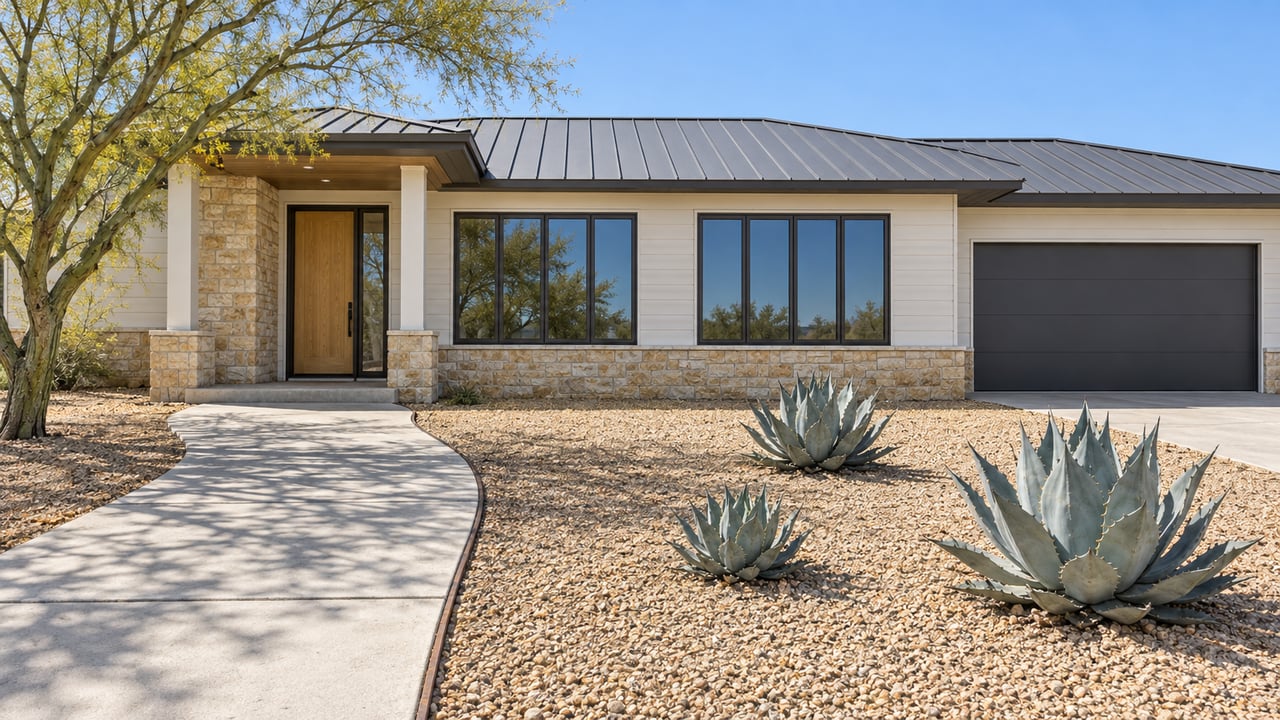
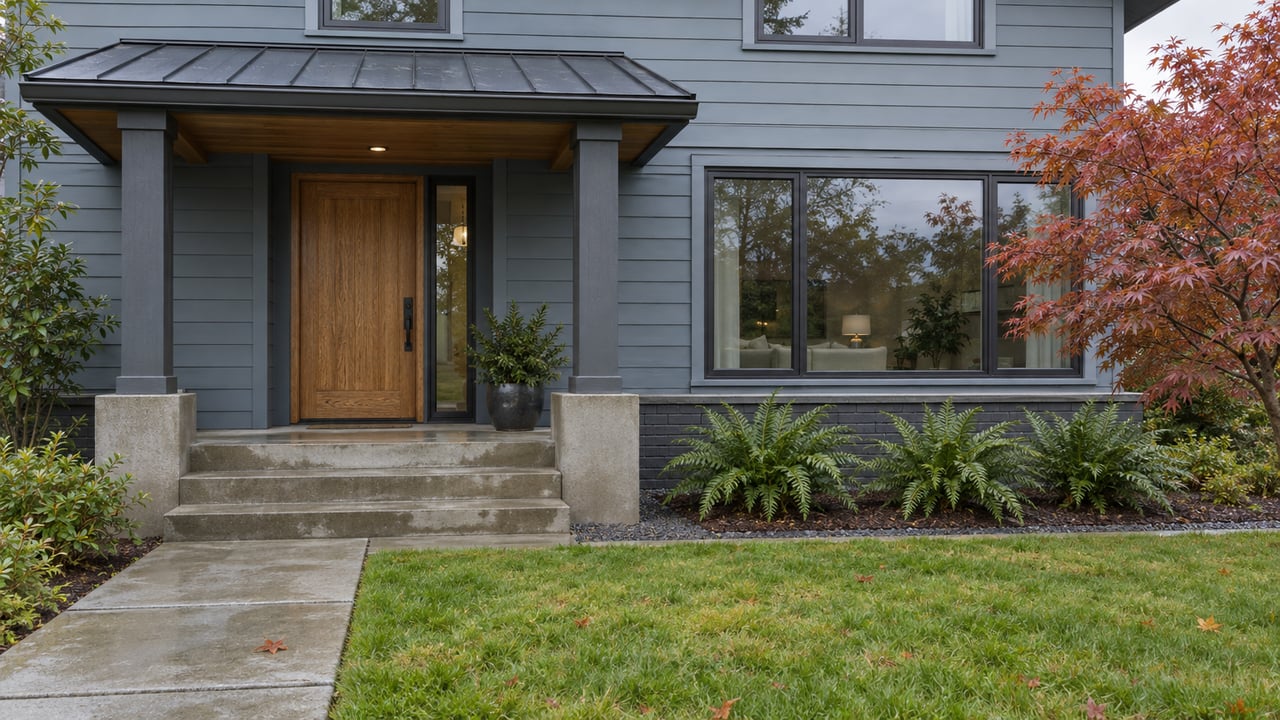
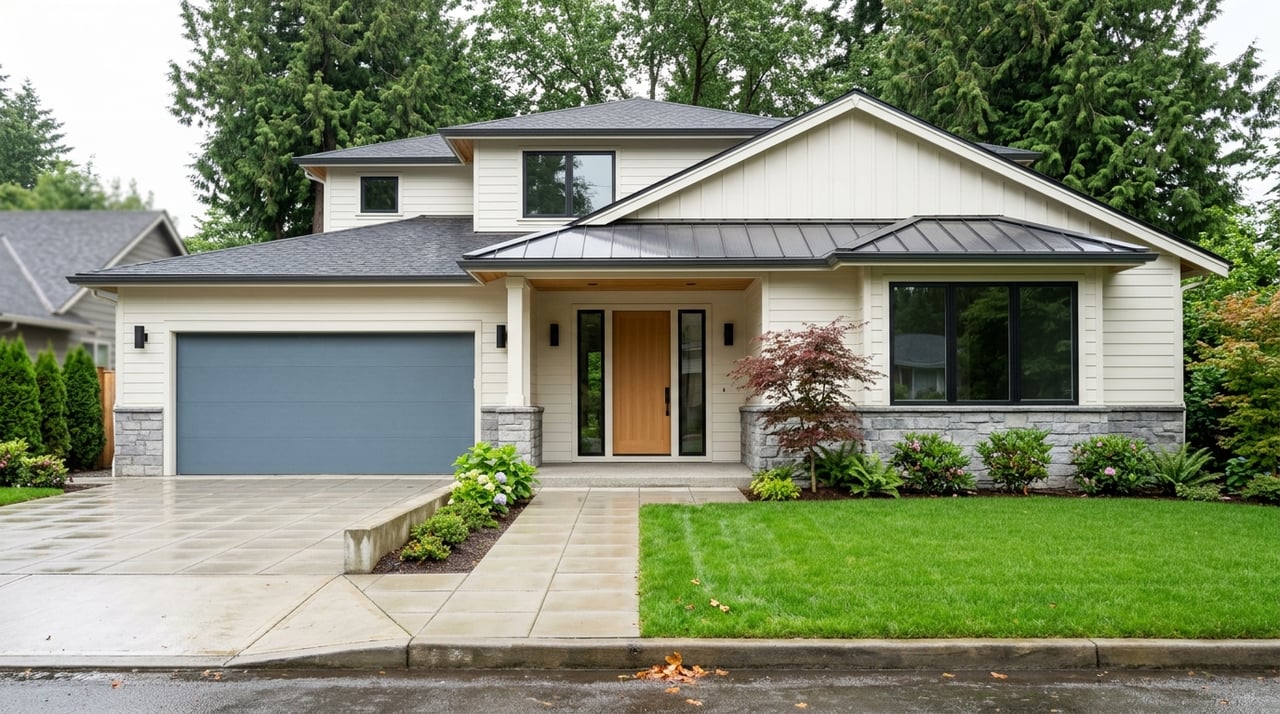
Mercer Island is still primarily a single-family residential community. City land use and zoning information show a strong detached-home pattern across much of the island, with multifamily housing concentrated more heavily at the north end and in or around Town Center.
In practical terms, that means Mercer Island does not feel uniformly urban or dense. Many areas are made up of established residential streets, mature tree cover, and homes from different eras, while the most compact condo, townhome, apartment, and mixed-use environment is centered closer to Town Center.
What the Housing Mix Means for You
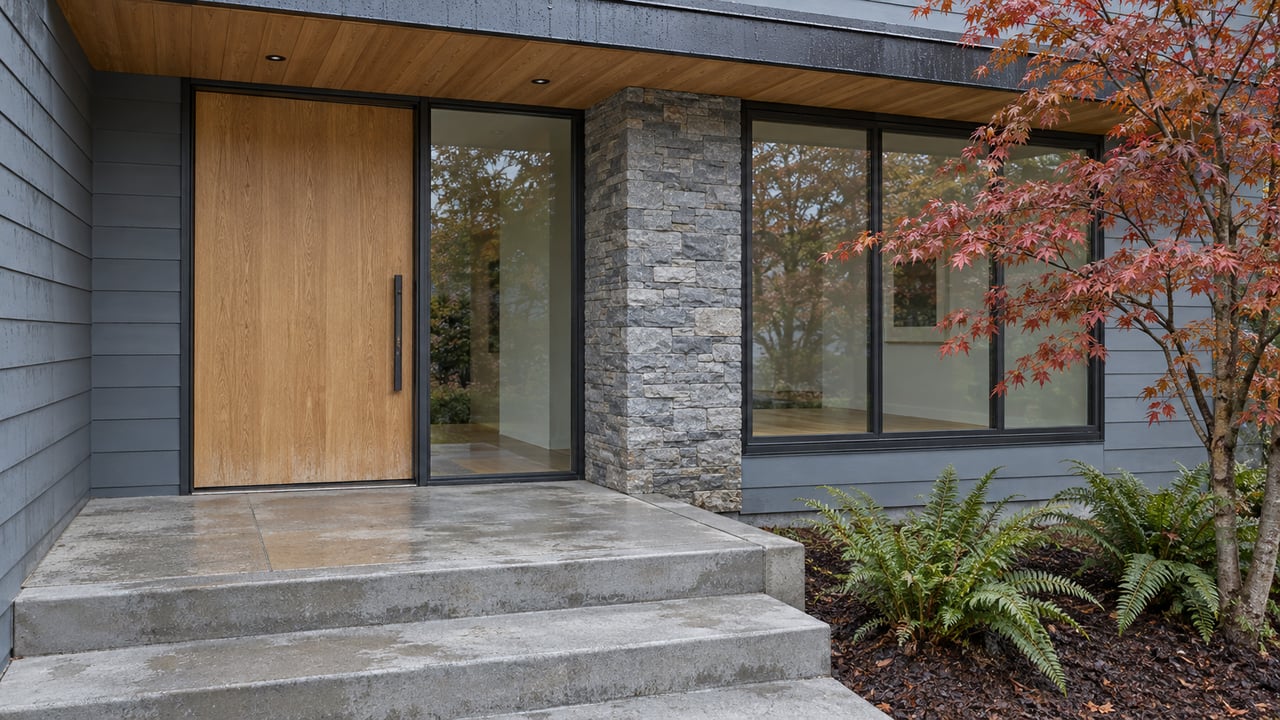
If you are looking for a traditional neighborhood feel, Mercer Island offers a lot of that. The city’s land-use plan describes many single-family areas as established 20th-century neighborhoods with older homes on relatively regular street grids, along with newer homes that are often larger and located on steeper or more irregular lots.
If you prefer lower-maintenance living, your search will likely focus more on Town Center and nearby multifamily areas. That is where the island’s condo, townhome, and apartment options are most likely to cluster.
Town Center Is the Main Hub
For errands, dining, and a more walkable daily routine, Town Center is the heart of Mercer Island. City planning documents describe it as a pedestrian-friendly area designed to support walking and biking, with wide sidewalks, cross-block connections, and the ability to park once and walk to multiple businesses and services.
This is important because walkability on Mercer Island is not spread evenly across the city. Most neighborhoods remain primarily residential and more car-oriented, while Town Center serves as the main place where day-to-day convenience becomes more concentrated.
What Everyday Convenience Looks Like
If you live near Town Center, some routines may feel simpler. Grabbing a library book, running errands, or heading to a community activity can be more efficient when several destinations are grouped in one core area.
The Mercer Island Library adds to that convenience with Wi-Fi, computers, printers, meeting rooms, study rooms, and a book drop. The Mercer Island Community & Event Center also serves as a central gathering place for recreation, rentals, and community use six days a week.
Parks Shape the Island Lifestyle
One of Mercer Island’s strongest everyday features is its park system. The city says it has 475 acres of parks and open spaces, with parks open daily from 6:00 a.m. to 10:00 p.m.
That outdoor access is not just a bonus feature. It is part of the island’s routine lifestyle, especially if you enjoy walking, trail time, quiet green space, or easy access to nature without leaving town.
Trails, Forests, and Open Space
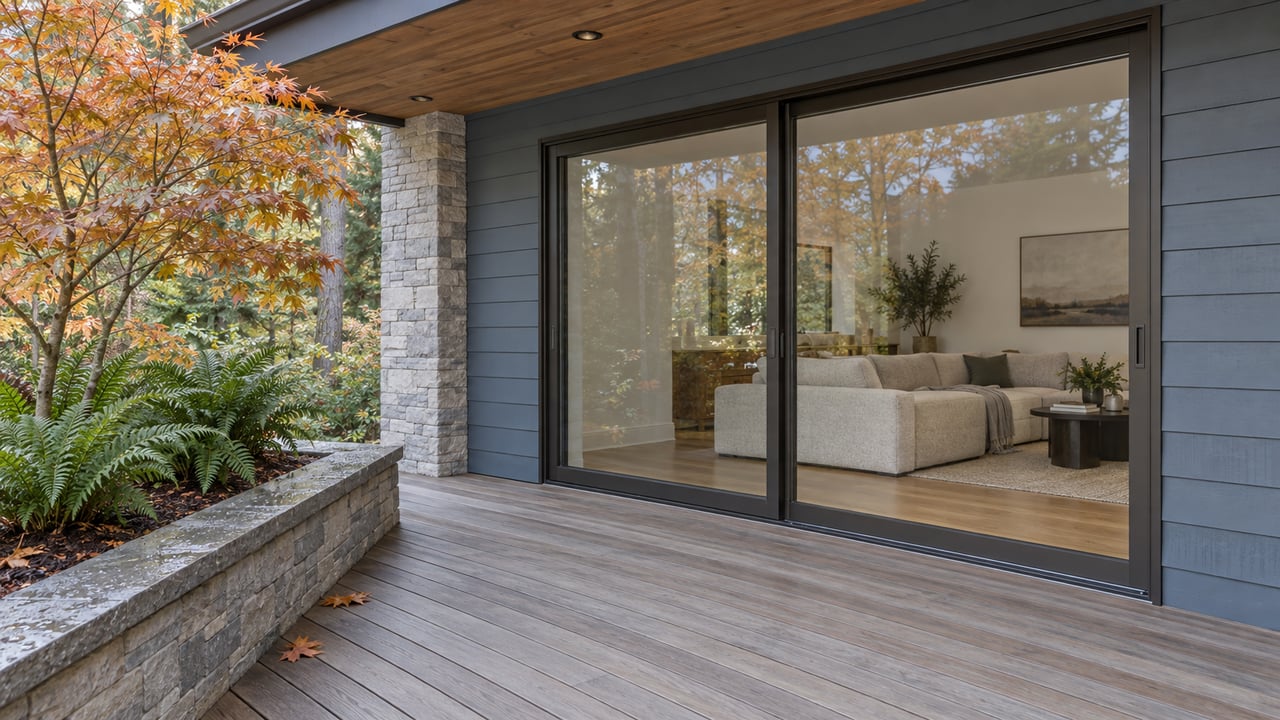
Mercer Island’s natural areas include forests, ravines, wetlands, trails, and passive recreation spaces. That gives the island a wooded, outdoors-oriented feel that stands out even within the broader Seattle and Eastside region.
Upper Luther Burbank Park is a good example of this character. The park offers an extensive trail system along with sensitive wetland and riparian habitat, creating a more forested experience that can feel a world away from nearby city centers.
Bigger Recreation Destinations
Aubrey Davis Park plays a different role in daily life. This 90-plus-acre regional park and recreation corridor includes the Mountains to Sound Greenway Trail, sports courts, open space, public art, and the Mercer Island Boat Launch.
For residents who like active recreation or regional trail access, this area adds a lot of flexibility. It also supports one of the island’s practical waterfront uses through paid public boat-launch access to Lake Washington.
Waterfront Access Is Part of the Appeal
Mercer Island offers public waterfront access in a way that is unusual for a suburban-style community. The city’s 20 street ends provide six acres and 1,140 feet of Lake Washington waterfront.
These access points support activities like wildlife viewing, picnicking, swimming or wading, kayaking, and canoeing. They are not lifeguarded, so they function more like neighborhood shoreline access points than staffed beach destinations.
Beaches and Summer Use
For many residents, shoreline access becomes especially meaningful in warmer months. Groveland Beach Park is the island’s only west-side beach, and Mercer Island beaches are not staffed by lifeguards.
The city and King County test swim beaches during the season, and the city says it has operated its own beach water-quality monitoring program since 2003. Results typically show low bacteria levels, although closures can happen when conditions change.
Commuting Is Convenient, But Still Strategic
Mercer Island has strong regional access for a city of its size. It sits on I-90 between Seattle and Bellevue, and Mercer Island Station opened on March 28, 2026, with service on Sound Transit’s 2 Line.
City transit information also lists King County Metro routes 204 and 630, along with Sound Transit bus routes 550 and 554. For many residents, that means you have real options for getting across the lake or to the Eastside, but your routine may still depend on timing and planning.
Parking and Timing Matter
Convenience does not eliminate logistics. The city says the Mercer Island Park-and-Ride is generally full by 7:00 a.m. on weekdays, which means transit users often need to think ahead.
That detail says a lot about everyday life on the island. Regional connectivity is a real advantage, but it still comes with practical decisions around parking, departure times, and how you prefer to move through the week.
Mercer Island Is a Full-Service Small City
Another reason daily life feels stable here is that Mercer Island functions as a full-service city. According to the city, it provides parks and recreation, planning and zoning, police, street maintenance, water, sewer, storm drainage, and youth and family support services, with resident access centralized through Customer Service.
Fire and emergency medical services shifted to Eastside Fire & Rescue on January 1, 2024. For residents, the larger point is that Mercer Island offers a broad municipal service structure despite its relatively small footprint.
The Market Reflects a High-Cost Lifestyle
Mercer Island’s housing profile reflects an established, higher-cost ownership market. Census data show that 67.0% of housing units are owner-occupied, the median value of owner-occupied homes is $2,000,000+, and the median monthly owner cost with a mortgage is $4,000+.
That does not tell you how a specific home will live, but it does help set expectations. Everyday life here is shaped not only by convenience and natural beauty, but also by the financial reality of entering or moving within a very expensive market.
Who Mercer Island Often Fits Best
Mercer Island tends to appeal to buyers who want a quieter residential setting with strong access to both Seattle and Bellevue. It can also make sense for people who value nearby parks, trail systems, waterfront access, and a town center that covers many daily needs without creating a dense urban environment.
At the same time, it may be less ideal if your priority is a highly walkable, city-style lifestyle across every neighborhood. On Mercer Island, that experience is more concentrated in Town Center, while much of the island follows a more suburban pattern.
If you are weighing Mercer Island against nearby neighborhoods, it helps to look closely at your own daily habits. Your commute, housing preferences, need for outdoor access, and comfort with the island’s price point will all shape whether it feels like the right fit.
If you want a clear, local perspective on how Mercer Island compares with nearby Eastside options, Michael Fleming offers calm, candid guidance to help you make an informed move.
FAQs
Is Mercer Island walkable for everyday errands?
- Town Center is the island’s main walkable area, with pedestrian-focused planning and the ability to park once and access multiple shops and services, while most other neighborhoods are more residential and car-oriented.
Does Mercer Island have public waterfront access?
- Yes. Mercer Island has street ends, beach parks, and a public boat launch that provide access to Lake Washington, although beaches and shoreline access points are not lifeguarded.
What types of homes are common on Mercer Island?
- Single-family homes make up much of the island’s residential character, while condos, townhomes, and apartments are more commonly concentrated in or around Town Center and the north end.
How easy is the Mercer Island commute?
- Mercer Island has direct I-90 access, light rail service at Mercer Island Station, and bus routes, but many residents still need to plan around parking availability and peak commute timing.
What makes Mercer Island feel different from nearby areas?
- Its compact island setting, strong park system, public waterfront access, established residential neighborhoods, and central location between Seattle and Bellevue give it a distinct everyday rhythm.